

Semaglutide has become one of the most talked-about medications for type 2 diabetes and weight loss. It works by mimicking a hormone called GLP-1, which helps regulate blood sugar, slow stomach emptying, and reduce appetite. Semaglutide is available in two forms: injectable and oral. While both contain the same active medication, there are some key differences.
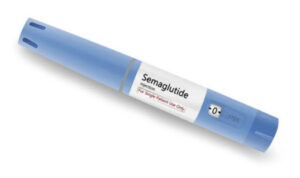
Injectable semaglutide is given as a once-weekly injection. Because the medication is absorbed directly into the body, injectable semaglutide tends to produce stronger results for both blood sugar control and weight loss. Many patients also appreciate the convenience of only taking it once per week.
Oral semaglutide is taken as a daily tablet. It can be a good option for patients who prefer to avoid injections. However, oral semaglutide must be taken first thing in the morning on an empty stomach with a small amount of water, and patients must wait at least 30 minutes before eating or drinking. Because absorption through the stomach is less efficient, weight loss results are often more modest compared to injectable forms.

Which Option Is Better?
Both options can be effective, but injectable semaglutide generally leads to greater weight loss and more consistent results. Oral semaglutide may be a better fit for patients who prefer a pill instead of a weekly injection. Both oral and injectable semaglutide share similar side effects because they contain the same medication. Nausea, diarrhea, constipation, indigestion, and headache are a few of the most common side effects
associated with semaglutide. These symptoms are usually temporary and improve as the body adjusts to the medication.